Safety First: Best Practices in Excavation and Earthmoving Dec 05, 2025
Before embarking on any excavation project, comprehensive site assessment is essential. This initial step is all about understanding the terrain, identifying potential hazards, and formulating a plan that addresses specific site conditions. It involves reviewing geological surveys and ensuring all necessary permits are in place. Effective planning minimizes unexpected issues and reduces the risk of accidents.
A crucial aspect of safe earthmoving is utility detection and protection. Excavation sites are often crisscrossed by underground utilities such as water lines, gas pipes, and electrical cables. Striking one of these utilities can result in serious emergencies or service disruptions. At S&S Excavation, we use advanced detection technologies and work closely with utility companies to map and protect these lines. It is vital to involve experienced professionals to identify and mark these utilities before the digging begins.
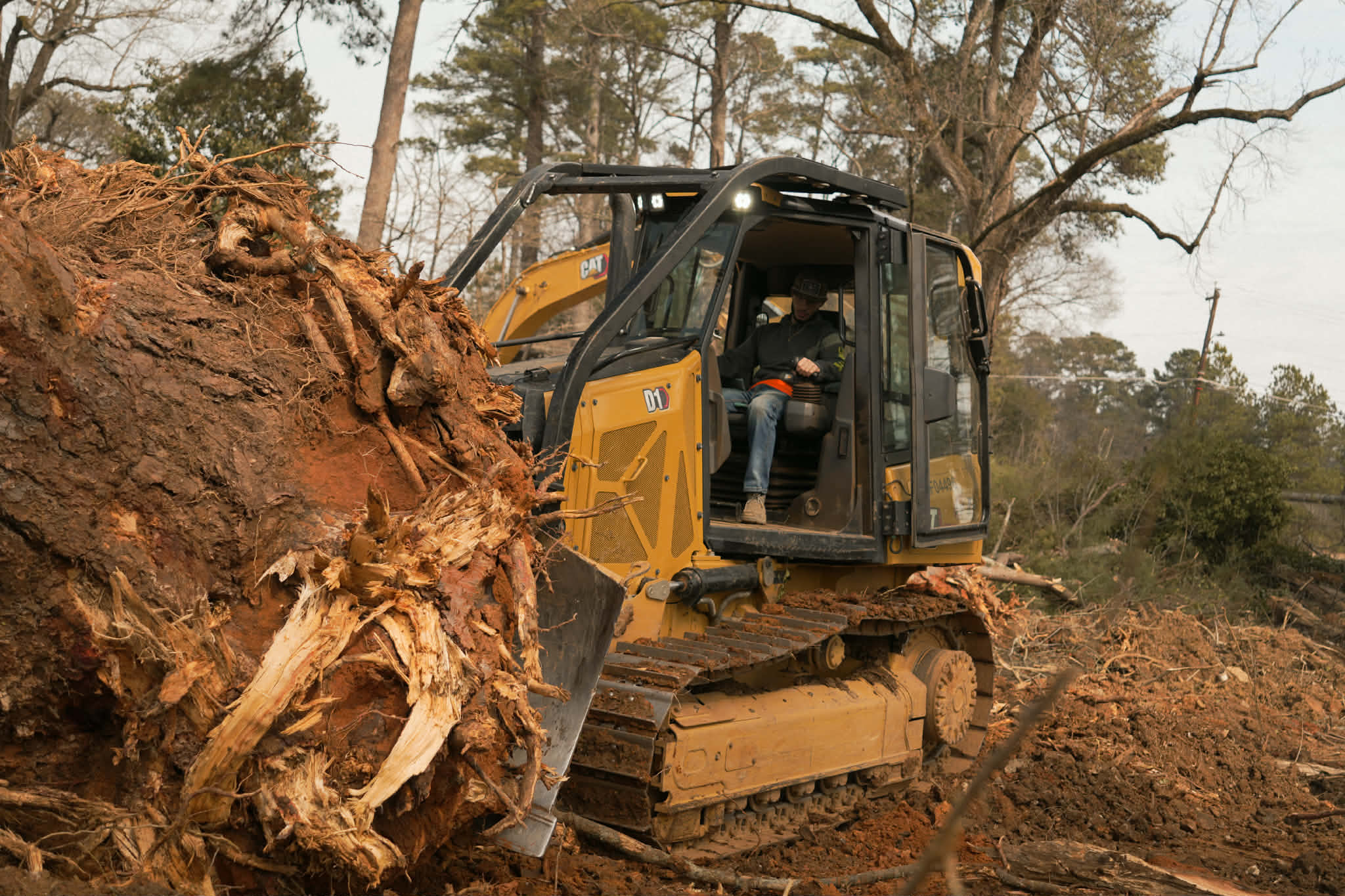
Proper equipment usage is another pillar of safety in excavation. Select equipment that is appropriate for the specific tasks and terrain of the site. All machinery must be regularly inspected and maintained to prevent malfunctions. Operators should be trained and certified to handle the equipment, with a clear understanding of its capabilities and limitations. At S&S Excavation, we ensure that all team members are equipped with the skills they need through continuous training and development programs.
Safety in excavation is not just about equipment; personal protective equipment (PPE) plays a significant role in preventing injuries. Hard hats, high-visibility clothing, steel-toed boots, and gloves are standard gear for our workers on site. We emphasize the importance of using PPE at all times, and we conduct regular safety briefings to ensure that all team members are aware of the potential hazards and the necessary precautions.
Communicating safe excavation practices extends to ensuring site security and access control. The excavation area should be clearly marked with barriers and signage to prevent unauthorized access. This measure not only protects the public but also ensures that only trained individuals are present on the site. Additionally, maintaining clear communication channels among workers, supervisors, and clients helps in coordinating activities and addressing concerns promptly.
Avoiding trench collapses remains a critical safety focus. Trenches deeper than five feet require protective systems such as shoring, shielding, or sloping to prevent cave-ins. Regular inspections of trench walls for signs of instability due to moisture or vibration can prevent dangerous situations. In our projects, S&S Excavation incorporates advanced techniques and constant monitoring to maintain trench safety, ensuring that all excavation activities adhere to industry standards.
In conclusion, the commitment to safety in excavation and earthmoving is a commitment to quality, efficiency, and the welfare of everyone involved. At S&S Excavation, these principles guide our operations every day. By following these best practices, we ensure the successful completion of projects while safeguarding all those on site. Whether you are planning a large-scale construction project or a smaller earthmoving task, emphasizing safety first will lead to better outcomes and peace of mind.
/filters:no_upscale()/filters:format(webp)/media/08bf82f6-200b-42f8-b559-a8be289f7655.jpeg)
/filters:no_upscale()/filters:format(webp)/media/734751d8-29ea-4edf-a530-aa89991f1a99.jpeg)